

Feeding Evaluation and Therapy
Helping your baby eat and thrive.
Clear answers followed by real progress. We start by understanding what is happening during feeds, then work with you on practical next steps for your baby and family.

The whole picture
We look at what may be affecting feeding.
We consider your baby's feeding skills, routines, health history, and your family's concerns and goals.
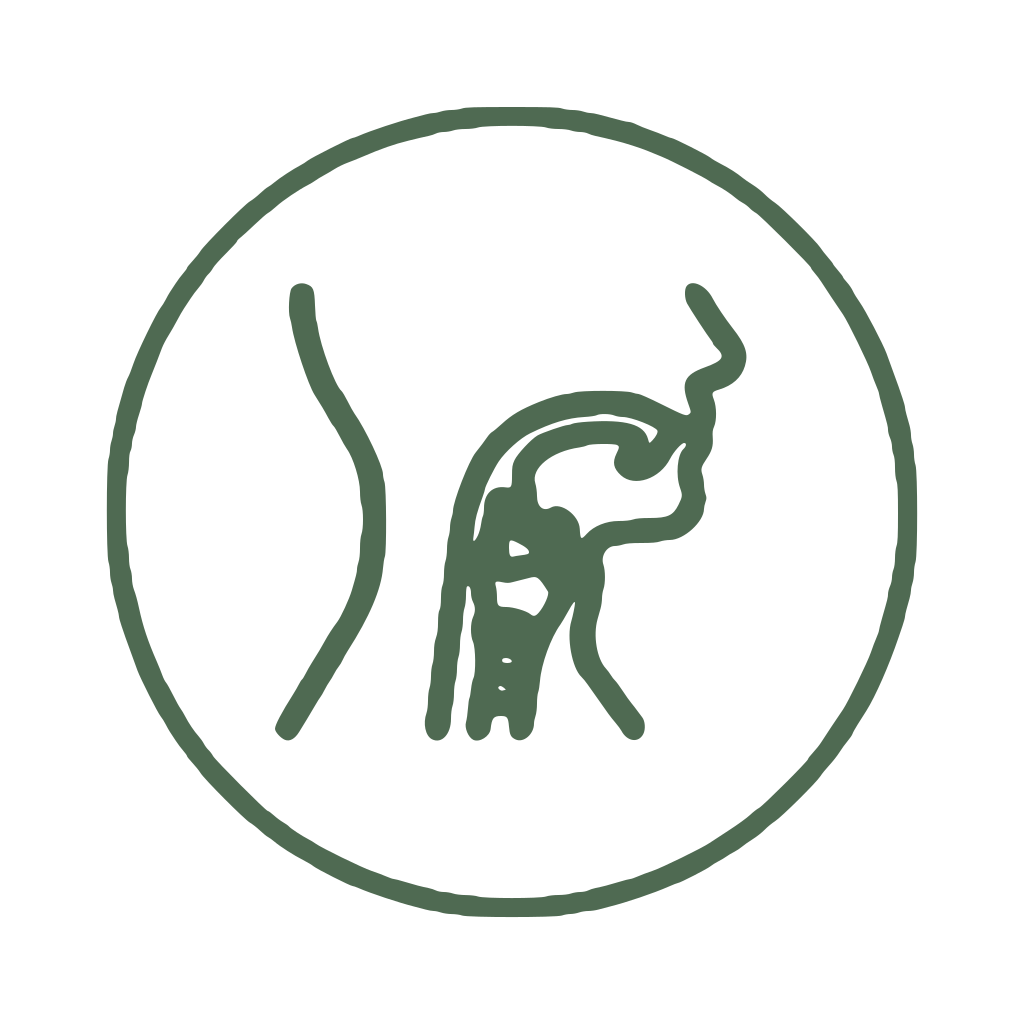
Safety & Swallowing
Ensuring each swallow is safe and reducing aspiration risk.
Oral Skills
Building strength, coordination, and efficiency.
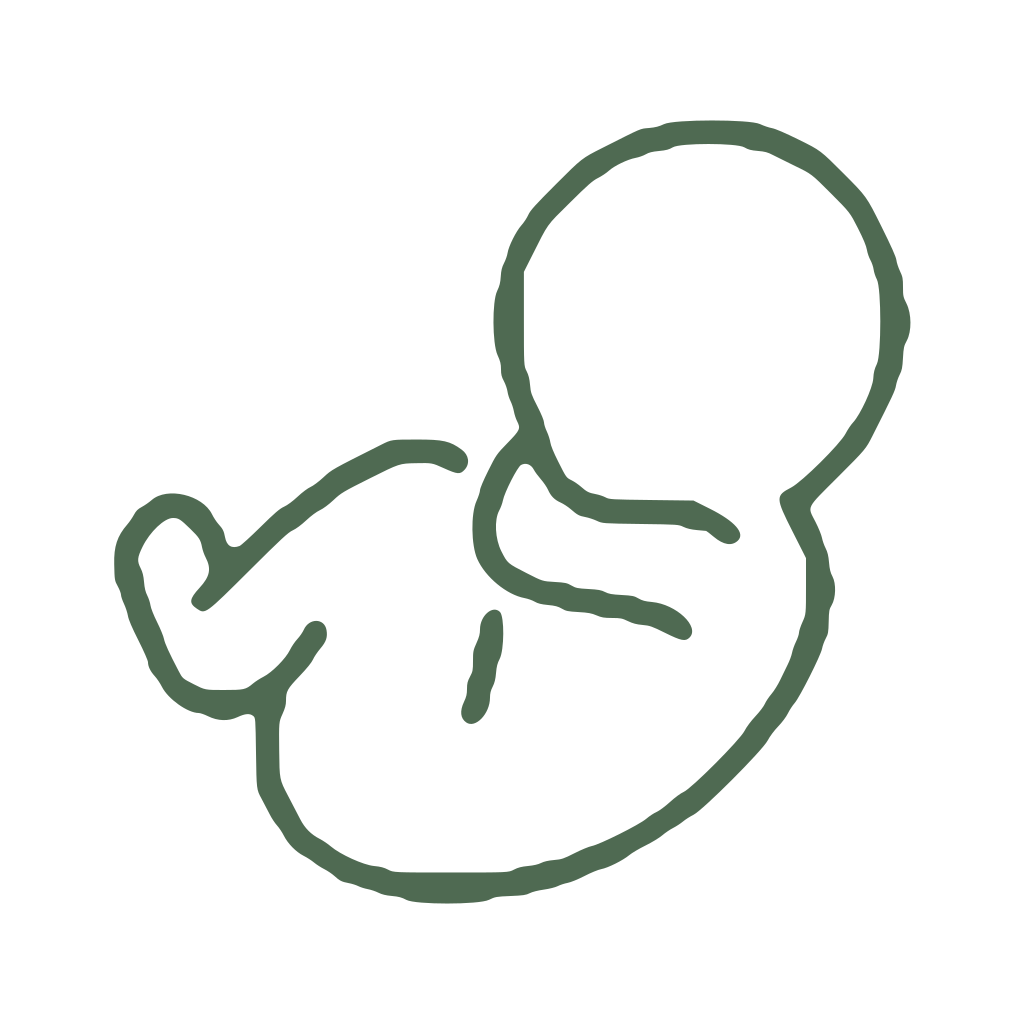
Positioning
Optimizing feeding position for safety and efficiency.
Nutrition & Growth
Supporting adequate nutrition for healthy growth and development.

Development
Feeding is connected to overall motor, cognitive, and communication skills.
What an evaluation includes
Start by listening, observing, and making sense of what you see at home.
A feeding evaluation gives you time to describe your concerns, see feeding observed, and understand what may be contributing to the challenge.
- Talk through your baby's history and your concerns.
- Observe feeding to understand patterns and likely barriers.
- Explain what we are seeing in clear, practical terms.
- Outline next steps based on your baby's needs and your family's goals.
Therapy and follow-up
Build real progress into everyday feeds.
If ongoing therapy is recommended, we create a plan with clear goals and strategies you can use at home. We partner with you and coordinate with your medical team when appropriate.
- Personalized goals and strategies
- Positioning and oral-skill support
- Caregiver coaching for daily routines
- Coordination with your broader care team
When families reach out
Feeding concerns can look different from one baby to another.
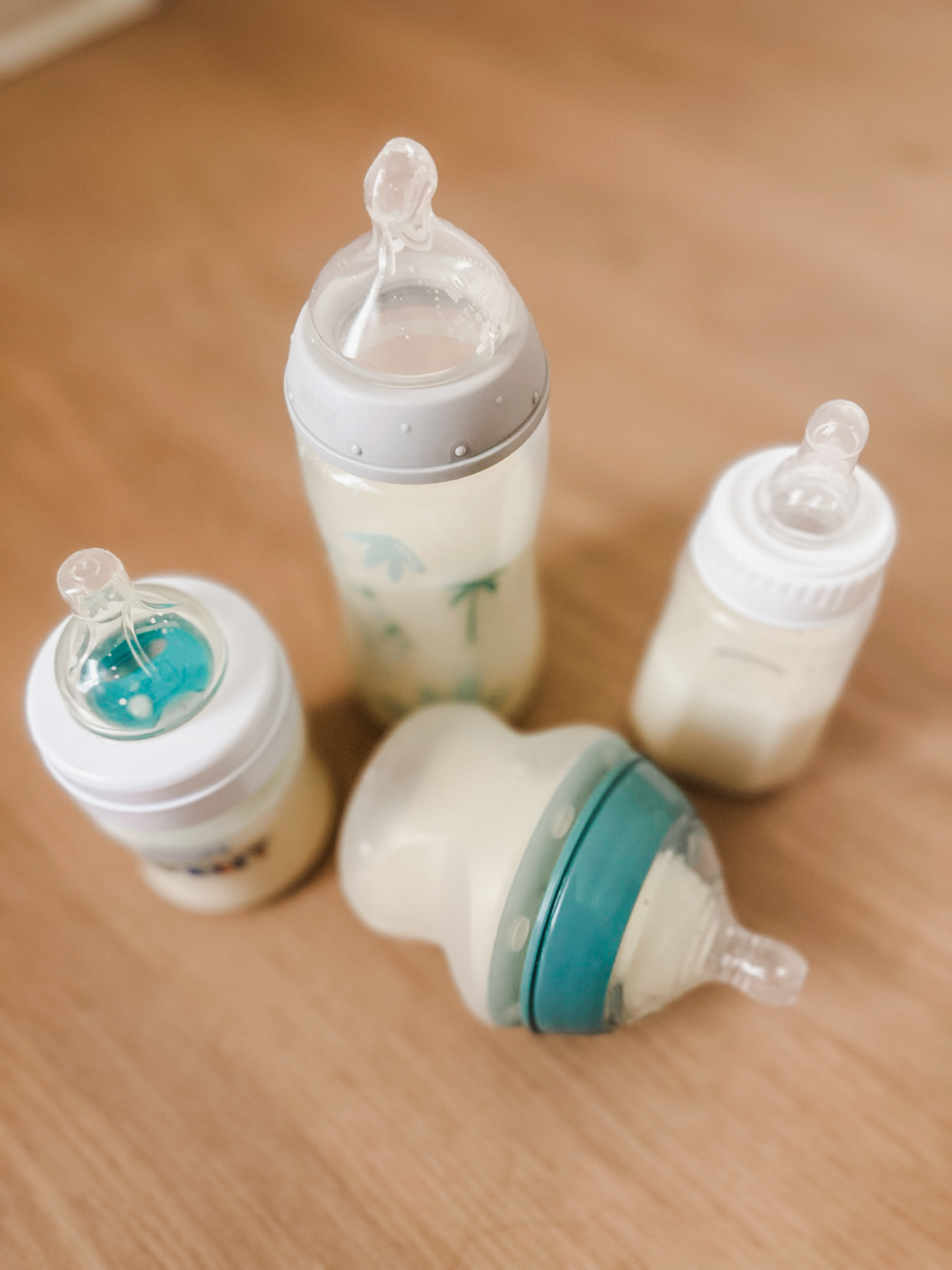
- Bottle or breastfeeding difficulty
- Swallowing Difficulty (Dysphagia)
- Poor intake or weight gain concerns
- Oral motor concerns or stressful mealtimes
- Oral aversion or refusal
- Gagging or vomiting during feeds
- Prematurity or feeding questions after a NICU stay
- Questions about transitioning to solids
Ready to talk?